Knowing the signs your hair needs moisture can help you give it the care it needs before dryness leads to bigger problems.
Healthy hair needs the right balance of moisture to stay soft, manageable, and strong. However, many people don’t realize when their hair is becoming dry until it starts to feel rough, look dull, or break more easily.
I’ve learned that dry hair doesn’t happen overnight. It usually develops because we forget to give our hair the care and moisture it needs.
Sometimes we’re busy, sometimes we keep our hair in protective styles for weeks without paying attention to it, and other times we simply don’t know the signs that our hair is crying out for moisture.
The good news is that once you recognize these signs, you can take simple steps to restore moisture and keep your hair looking healthy again.
In this article, I’ll explain the common signs that your hair needs moisture and share practical tips to help bring it back to life.
Signs Your Hair Needs Moisture
If you notice any of these signs, your hair may be lacking moisture:
- Your hair feels dry and rough.
- Your scalp looks dry or flaky.
- Your hair is difficult to comb.
- Your hair has lost its shine.
- Your hair feels stiff instead of soft.
- Your hair breaks more easily.
- Your protective styles don’t stay looking fresh for long.
- Your hair quickly becomes dry again after styling.
Let’s look at each sign more closely.
1. Your Hair Feels Dry and Rough
One of the first signs I notice is when the hair loses its softness.
Instead of feeling smooth and flexible, it starts feeling rough and dry to the touch.
Hair that lacks moisture often becomes difficult to manage because it no longer has the softness it needs.
If your hair constantly feels dry no matter how you style it, it’s usually a sign that it needs more moisture
A dry scalp can sometimes be uncomfortable and may also be associated with visible flakes. If you’re dealing with an itchy or flaky scalp, you can learn more about what causes dandruff and how to prevent it in this helpful guide.

2. Your Scalp Looks Dry
Your scalp can also tell you when your hair needs attention.
If your scalp looks dry, flaky, or ashy, it may be a sign that it isn’t getting enough moisture or proper care.
A healthy scalp creates a healthier environment for your hair to grow.
Paying attention to your scalp is just as important as caring for your hair strands.
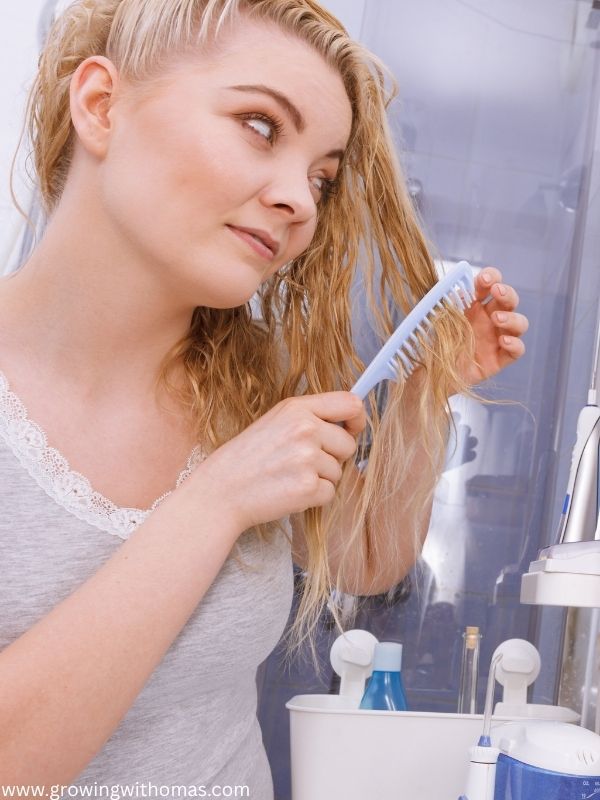
3. Your Hair Becomes Difficult to Comb
I’ve experienced this myself.
When my hair became dry, it felt harder to comb because it was no longer soft and manageable.
Dry hair tends to tangle more easily, making detangling frustrating and increasing the chances of breakage.
Keeping your hair moisturized helps make combing much easier.
4. Your Hair Loses Its Natural Shine
Healthy hair usually has a natural, healthy-looking shine.
When your hair begins to look dull and lifeless, it may be telling you that it needs moisture.
Moisturized hair often reflects light better and looks healthier than hair that is dry.
5. Protective Styles Don’t Replace Moisture
One thing I’ve noticed is that many people assume that once they put their hair into a protective style, they no longer need to care for it.
That’s a common mistake.
Protective styles help reduce manipulation, but they don’t moisturize your hair automatically.
Your hair still needs attention while it’s in braids, twists, wigs, or other protective styles.
Moisturizing your hair regularly while it’s in a protective style can help prevent excessive dryness.
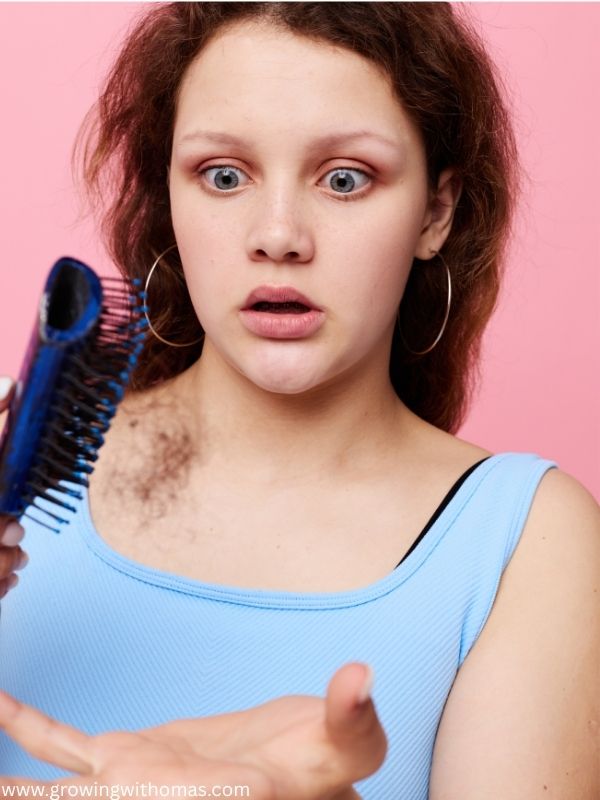
6. Your Hair Breaks More Easily
Hair that lacks moisture is often weaker and more prone to breakage.
When your hair is dry, it loses flexibility. Instead of bending when you comb or style it, the strands are more likely to snap.
If you’ve noticed more hair breaking off than usual, don’t ignore it. Your hair may simply be asking for more moisture.
The sooner you begin moisturizing it consistently, the better chance you have of reducing unnecessary breakage.
If your dry hair is also breaking easily, you may find my guide on 10 Mistakes That Causes Hair Breakage And How To Avoid Them helpful.
7. Why Does Hair Lose Moisture?
Many people think dry hair happens naturally, but in many cases, our daily habits contribute to it.
One thing I’ve noticed is that some people put their hair into protective styles and then forget about it. Because the hair is braided or tucked away, they assume it no longer needs attention.
The truth is that protective styles protect your hair from excessive manipulation, but they do not moisturize it.
Another habit that causes dryness is sleeping without protecting your hair. Even if you moisturize your hair during the day, rubbing against a cotton pillowcase throughout the night can gradually reduce moisture.
Your hair still needs regular care, even when it’s hidden under a wig, braids, or another protective style.
Protecting your hair at night can also help you maintain moisture, so check out my guide on How to Protect Your Hair While Sleeping.
8. How to Restore Moisture to Dry Hair
The good news is that bringing moisture back to your hair doesn’t have to be complicated.
One simple routine I recommend is:
Step 1: Lightly Spray Your Hair with Water
Hair responds better to a moisturizer when it’s slightly damp. You don’t have to soak your hair, just lightly spray it with water.
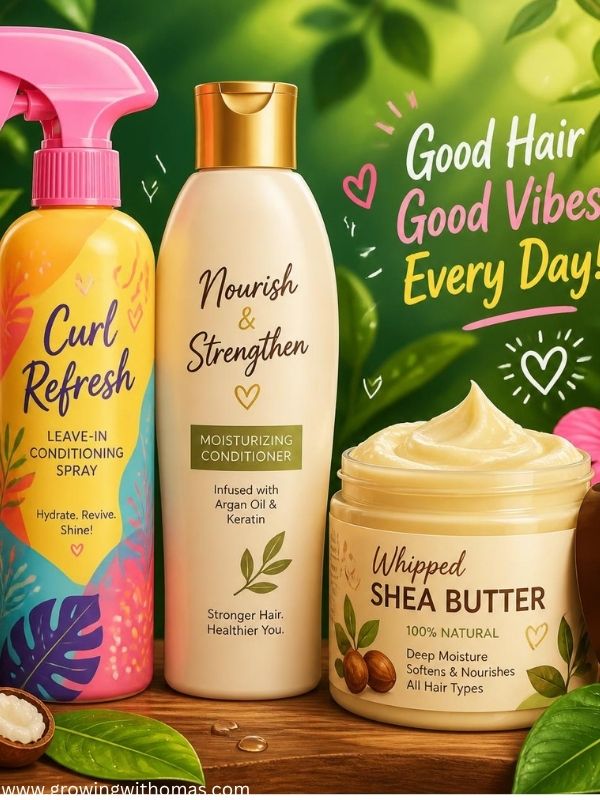
Step 2: Apply a Leave-in Conditioner
After spraying water, apply a leave-in conditioner.
A leave-in conditioner is different from a deep conditioner.
A deep conditioner is used as a treatment during wash day and is rinsed out afterward.
A leave-in conditioner stays on your hair after application. It helps keep your hair moisturized throughout the day, making it softer, shinier, and easier to manage.

Step 3: Seal in the Moisture
After applying your leave-in conditioner, seal the moisture with a product such as shea butter.
This helps keep the moisture inside your hair for longer and reduces dryness.
Make Moisturizing a Habit
One thing I’ve learned is that it’s easier to maintain moisture than to restore extremely dry hair.
Don’t wait until your hair feels rough before caring for it.
Instead, make moisturizing part of your regular hair care routine.
A little water, a good leave-in conditioner, and a product to seal in the moisture can make a noticeable difference over time.
Consistency is what keeps your hair healthy.
Conclusion
Moisturized hair is healthier, softer, shinier, and easier to manage.
Learning to recognize the signs of dryness early can help you prevent breakage and keep your hair looking its best.
I’ve experienced dry hair myself, and I know how difficult it can be to comb or style when it lacks moisture. But I’ve also seen the difference that regular moisturizing can make. Once I started paying more attention to my hair, using a leave-in conditioner, and sealing in the moisture, my hair became softer, shinier, and much easier to manage.
Remember, your hair doesn’t need perfection, it needs consistency. Small habits practiced regularly can make a big difference over time.
Frequently Asked Questions
How do I know if my hair needs moisture?
Common signs include dry, rough hair, a flaky scalp, dull-looking strands, difficulty combing, and increased breakage.
Can protective styles keep my hair moisturized?
No. Protective styles reduce manipulation, but your hair still needs regular moisturizing while it’s in braids, twists, wigs, or other styles.
What’s the difference between a leave-in conditioner and a deep conditioner?
A deep conditioner is used during wash day and rinsed out after treatment. A leave-in conditioner is applied after washing and stays on your hair to help maintain moisture throughout the day.
Should I apply moisturizer to dry hair?
It’s usually better to lightly dampen your hair with water first. Then apply a leave-in conditioner and seal in the moisture with a product such as shea butter.
How often should I moisturize my hair?
It depends on your hair type and needs, but the goal is not to let your hair become extremely dry before moisturizing it again
I hope you found these tips helpful. Remember, taking small steps can make a big difference over time. Be sure to explore more helpful tips and ideas here on Growing With Omas, and come back whenever you need a little inspiration.🌿