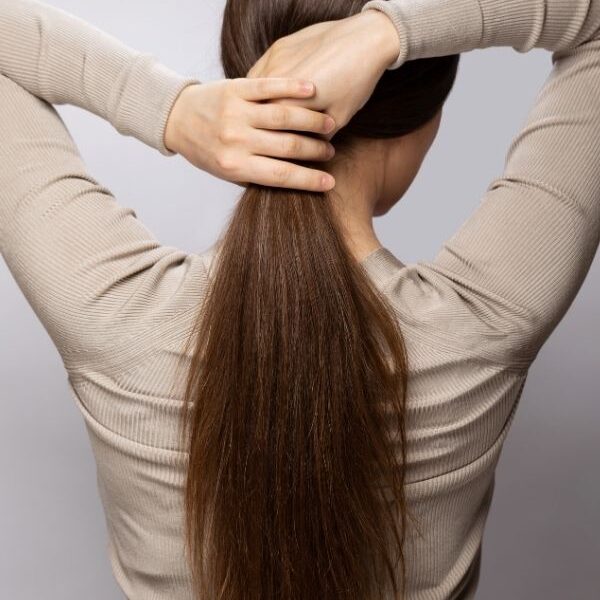
The truth is, hair grows naturally. However, some common mistakes that cause hair breakage can prevent you from seeing noticeable length. In many cases, the problem isn’t that your hair isn’t growing. It’s that it’s breaking as it grows.
The good news is that many causes of hair breakage can be prevented with the right hair care routine.
In this article, you’ll learn ten common mistakes that cause hair breakage and simple ways to avoid them so your hair can stay healthier and retain more length.

10 Common Mistakes That Cause Hair Breakage
Here are some habits that may be damaging your hair:
- Leaving your hair tangled.
- Skipping regular moisturizing.
- Using too much heat.
- Ignoring split ends.
- Sleeping without protecting your hair.
- Being rough when combing.
- Washing your hair incorrectly.
- Wearing hairstyles that are too tight.
- Using the wrong hair products.
- Being inconsistent with your hair care routine.
Let’s look at each mistake in detail.
1. Leaving Your Hair Tangled
One of the most common causes of hair breakage is leaving your hair tangled for too long.
When hair becomes tangled, it is much harder to comb. As you try to remove the knots, strands of hair can snap and break.
To avoid this, gently detangle your hair regularly using your fingers or a wide-tooth comb. Start from the ends and work your way up to the roots instead of pulling from the top.
If you want to learn How to detangle your natural hair without causing breakage, read my step-by-step guide here.
Keeping your hair detangled makes it easier to manage and helps reduce unnecessary breakage.
2. Skipping Regular Moisturizing
Dry hair is more likely to break than moisturized hair.
Moisturizing helps keep your hair soft, flexible, and easier to manage. If your hair becomes dry for long periods, it may become brittle and start breaking.
Depending on your hair type, moisturizing your hair a few times during the week can help maintain its health. Choose products that suit your hair and avoid letting it stay dry for too long.
Remember, moisturized hair is usually stronger and easier to style.
3. Using Too Much Heat
Heat styling tools such as blow dryers, flat irons, and curling irons can be useful, but using them too often may weaken your hair.
Excessive heat removes moisture from the hair, making it dry and more likely to break.
If you use heat styling tools, try to use them occasionally rather than every day. Using a heat protectant and keeping the temperature moderate can also help reduce damage.
Giving your hair regular breaks from heat is one of the best ways to keep it healthy.
4. Ignoring Split Ends
Split ends may seem like a small problem, but if they are left untreated, they can lead to more hair breakage.
When the ends of your hair split, the damage can travel further up the hair strand, making it weaker. This is why regular trims are important, even if you’re trying to grow your hair longer.
Trimming your split ends doesn’t stop your hair from growing—it helps keep your hair healthier and prevents unnecessary breakage.
5. Sleeping Without Protecting Your Hair
Your nighttime hair routine is just as important as your daytime routine.
Sleeping without protecting your hair can cause friction between your hair and your pillowcase. This can lead to tangles, dryness, and breakage.
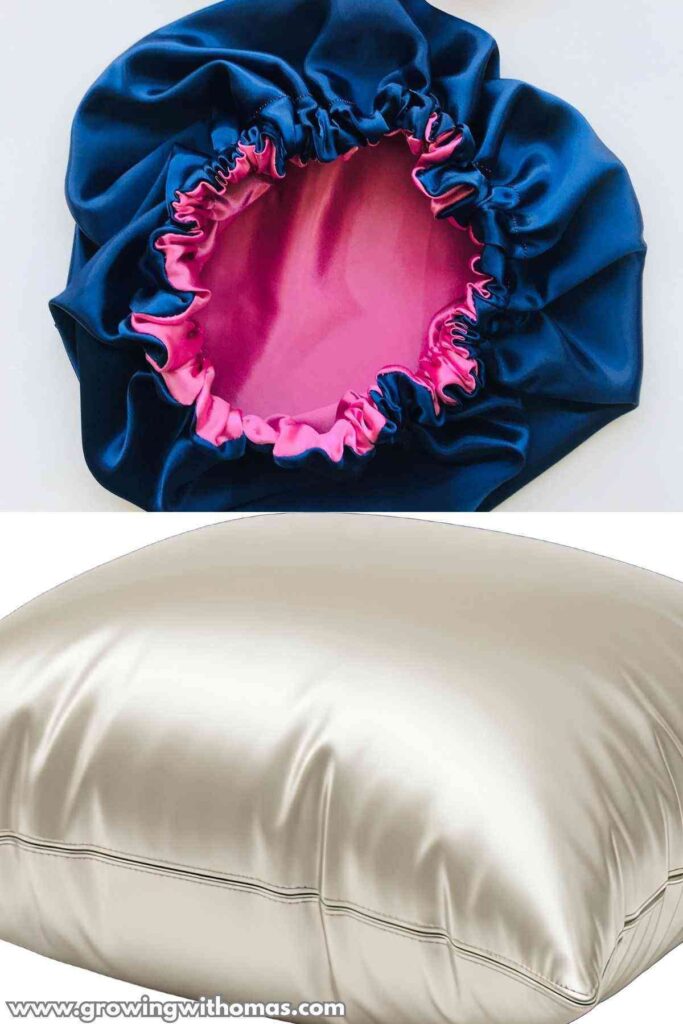
If you’ve moisturized your hair before bed, protecting it with a satin bonnet, satin scarf, or satin pillowcase also helps keep the moisture in your hair instead of letting it rub off onto your pillow.
A few seconds spent protecting your hair at night can make a big difference over time.
6. Being Rough When Combing Your Hair
Many people damage their hair without realizing it by combing too roughly.
Pulling through knots or forcing a comb through tangled hair can cause strands to snap and break.
Instead, divide your hair into sections and gently detangle from the ends, working your way up to the roots. Using a wide-tooth comb or your fingers can also help reduce breakage.
Being gentle with your hair is one of the simplest ways to keep it healthy.

7. Washing Your Hair Incorrectly
Washing your hair is important, but it should be done the right way.
Allowing dirt, sweat, and product buildup to remain on your scalp for too long can affect the health of your hair. On the other hand, washing too frequently with harsh products may also dry your hair out.
Wash your hair whenever it needs cleansing, using products that suit your hair type. After washing, always follow up with a conditioner or moisturizer to help restore moisture and keep your hair soft.
Clean, well-moisturized hair is less likely to become dry and break easily.
If you’re not sure how to wash your natural hair properly, read my step-by-step guide on how to wash natural hair properly.
8. Wearing Hairstyles That Are Too Tight
Protective hairstyles are great for your hair, but they shouldn’t be too tight.
Braids, cornrows, ponytails, or weaves that pull too tightly on your scalp can weaken your hairline and cause breakage. You may even notice pain or bumps on your scalp after getting your hair done.
Choose hairstyles that are neat but comfortable. Your hair shouldn’t hurt for days after styling.
Healthy hair grows better when it isn’t constantly under tension.
9. Using the Wrong Hair Products
Not every hair product is suitable for every hair type.
Using products that don’t work well for your hair may leave it too dry, too oily, or weak. It’s important to choose products that match your hair’s needs.
Using the right hair product will prevent hair breakage and protect your strands.
If you’re unsure where to start, keep your routine simple. A gentle shampoo, a good conditioner, and a suitable moisturizer are enough for many people.
As you learn more about your hair, you can gradually add other products if necessary.
10. Being Inconsistent with Your Hair Care Routine
One of the most common reasons people don’t see progress is inconsistency.
Some people take good care of their hair for a week or two and then stop. Others only moisturize or wash their hair once in a while.
Being consistent does not mean having a complicated hair care routine or spending hours on your hair every day. It simply means giving your hair the basic care it needs regularly.
For example, if your hair becomes dry easily, make moisturizing part of your routine instead of waiting until your hair feels extremely dry.
If your scalp needs washing every one or two weeks, try to maintain that schedule rather than going for long periods without cleansing it.
It is also important to pay attention to how your hair responds to your routine.
If a particular product makes your hair feel dry, heavy, or uncomfortable, consider changing it rather than continuing to use it just because it worked for someone else.
Your hair may also need different care depending on the season, hairstyle, or how often you manipulate it.
Remember that healthy hair is built through small habits repeated over time.
You may not notice a dramatic difference after a few days, but gentle handling, regular cleansing, proper moisture, and protective habits can help reduce unnecessary breakage as you continue your routine.
Consistency is not about perfection; it is about taking care of your hair regularly and giving it the attention it needs.
Keep in mind, common mistakes that cause hair breakage can be avoided with the right routine.

Conclusion
Healthy hair doesn’t happen by chance, it happens through consistent care and healthy habits.
Simple changes like keeping your hair moisturized, trimming split ends, avoiding excessive heat, protecting your hair at night, and handling it gently can make a big difference in reducing breakage.
Remember, your hair is growing, but if it keeps breaking, you’ll struggle to see the progress. By taking proper care of your hair every week, you’ll help it stay stronger, healthier, and retain more length over time.
Start with one good habit today, stay consistent, and your hair will thank you.
Frequently Asked Questions
Does hair really grow every day?
Yes. Hair naturally grows over time. If it seems like your hair isn’t growing, frequent breakage may be preventing you from seeing the length you’re gaining.
How often should I moisturize my hair?
This depends on your hair type, but many people benefit from moisturizing their hair a few times a week to keep it soft and reduce dryness.
Can heat styling damage my hair?
Yes. Using blow dryers, flat irons, and other heat tools too often can dry out your hair and make it more likely to break. It’s best to use heat in moderation.
Why is protecting my hair at night important?
Protecting your hair with a satin bonnet, scarf, or pillowcase helps reduce friction, prevents tangles, and helps keep moisture in your hair while you sleep.
I hope you found this guide helpful. If you enjoyed it, feel free to leave a comment and explore more helpful hair-care tips on Growing With Omas.🌿