What causes dandruff and how to prevent it are common questions for anyone dealing with an itchy or flaky scalp. This common scalp problem can cause itching, visible white flakes on your hair and clothes, and sometimes affect your confidence.
It can also become more noticeable when your scalp is dry, irritated, or producing excess oil.
The good news is that it can often be managed with the right care routine and treatment. In this article, I’ll explain what causes it, what may make it worse, and simple ways to help prevent and manage it.
What Is Dandruff?
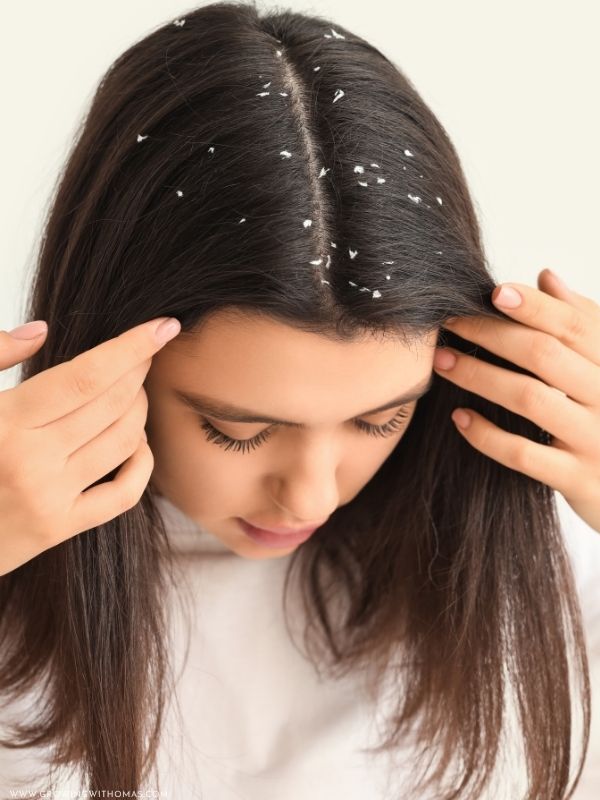
When I think of dandruff, I think of the tiny white flakes that appear on the scalp and in the hair.
These flakes are often accompanied by an itchy scalp, making you want to scratch your head throughout the day.
Although dandruff is common, it shouldn’t be ignored because it usually means your scalp needs better care.
What Causes Dandruff?
Several things can contribute to dandruff.
Some of the most common causes include:
- A dry scalp.
- Product buildup from oils and hair creams.
- Not washing your hair regularly.
- Certain scalp or skin conditions.
- Using products that don’t suit your scalp.
Sometimes, more than one of these factors can be responsible for the problem.
My Experience as a Hairstylist
As a hairstylist, I’ve worked with clients who struggled with dandruff.
One client had so much dandruff that even after washing her hair, white flakes would begin to appear again while I was making her protective style.
She often avoided hairstyles that exposed her scalp because she felt embarrassed by the visible flakes.
After talking with her, I realized she rarely washed her hair and would sometimes keep a protective style in for almost two months.
I recommended a complete dandruff treatment routine, including a dandruff shampoo, treatment products, and a leave-in product designed for dandruff-prone scalps.
I also encouraged her to wash her hair regularly instead of waiting several weeks.
With consistency, her scalp gradually improved, and the dandruff became much easier to manage.
How Can You Get Rid of Dandruff?
Step 1: Wash Your Hair Regularly
One of the first things I recommend is washing your hair consistently.
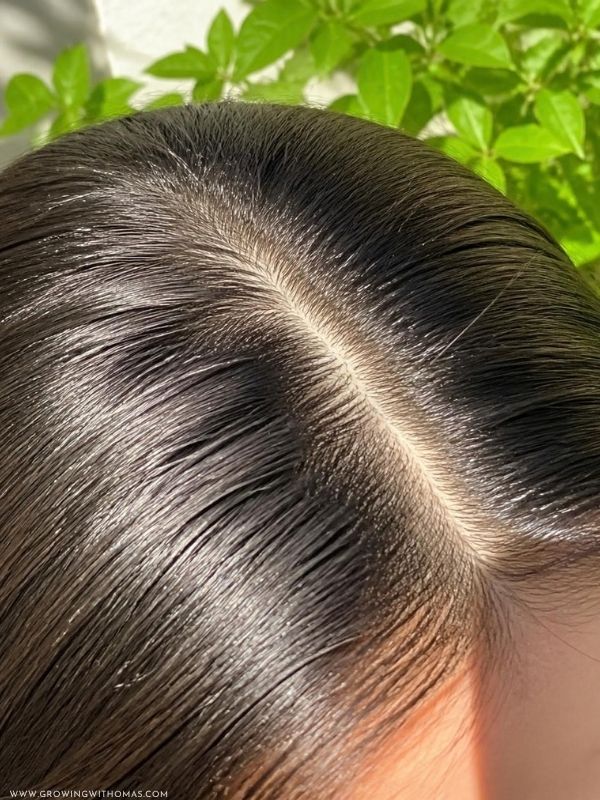
A clean scalp removes excess oil, product buildup, sweat, and flakes that may be contributing to dandruff.
If you frequently use oils, creams, or leave-in products, regular washing becomes even more important

Step 2: Use a Dandruff Treatment
If regular washing isn’t enough, use a dandruff treatment specifically made for dandruff-prone scalps.
This may include a dandruff shampoo, scalp treatment, or leave-in product.
The key is to follow the instructions and use the products consistently instead of expecting overnight results.

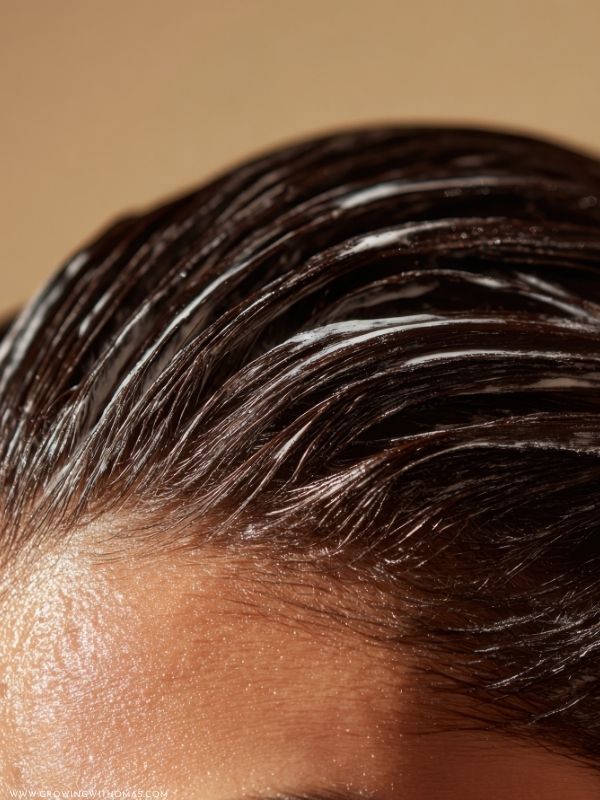
Step 3: Keep Your Scalp Moisturized
A dry scalp is one of the common causes of dandruff.
If your scalp is naturally dry, keeping it moisturized can help reduce dryness and itching.
Choose a moisturizer that suits your hair and scalp type, and avoid leaving your scalp dry for long periods.
A dry scalp can feel uncomfortable and may make flaking more noticeable. Learn more about signs your hair needs moisture and how to fix it.to better understand when your hair needs extra moisture and how to care for it.
Step 4: Be Consistent With Your Hair Care Routine
Treating dandruff takes patience.
Don’t use a dandruff treatment for a few days and expect the flakes to disappear immediately.
Give your products time to work and stick to a regular washing routine.
Consistency is one of the biggest secrets to keeping dandruff under control.
Step 5: Avoid Scratching Your Scalp
Although dandruff can make your scalp itchy, avoid scratching it constantly.
Scratching with your fingernails can irritate your scalp, cause small cuts, and even make the condition worse.
Instead, focus on treating the cause rather than relieving the itch temporarily.
If your scalp is dry and also itchy or uncomfortable, learn how to stop an itchy scalp: Causes,treatment and prevention and what may be causing it.
Common Mistakes People Make When Treating Dandruff
1. Scratching the Scalp Constantly
Scratching may feel good for a moment, but it doesn’t solve the problem and can damage your scalp
2. Ignoring Dandruff for Too Long
Some people hope dandruff will disappear on its own.
Without proper care, it may continue or even become worse.
3. Changing Products Too Quickly
One mistake many people make is buying a dandruff treatment, using it for only a few days, and then deciding it doesn’t work.
Most treatments need time and consistent use before you begin to see results.
4. Not Washing the Hair Regularly
Allowing dirt, sweat, oils, and product buildup to remain on your scalp for weeks can make dandruff more difficult to manage.
Keeping your scalp clean is an important part of treatment.
Conclusion
Dandruff may be common, but it doesn’t have to become a permanent problem.
With regular washing, the right treatment products, and a consistent hair care routine, many people can significantly reduce or even eliminate dandruff.
As a hairstylist, I’ve seen clients improve their scalp health simply by washing their hair more regularly and using products designed specifically for dandruff.
The most important lesson I want you to remember is this:
Dandruff can improve. Stay consistent with your hair care routine, keep your scalp clean, and give your treatment enough time to work.
Frequently Asked Questions
Can dandruff go away permanently?
It depends on the cause. Many people can keep dandruff under control with proper hair care and suitable treatment products, although some may need ongoing maintenance.
Does not washing your hair cause dandruff?
Not always, but leaving your scalp dirty for long periods can contribute to product buildup and make dandruff worse.
How often should I wash my hair if I have dandruff?
It depends on your hair type and the treatment you’re using, but regular washing helps keep the scalp clean and reduces buildup.
Can scratching my scalp make dandruff worse?
Yes. Constant scratching can irritate your scalp and may increase discomfort or cause small injuries.
How long does dandruff treatment take to work?
Results vary from person to person, but consistency is important. Give your treatment time to work before deciding whether it’s effective