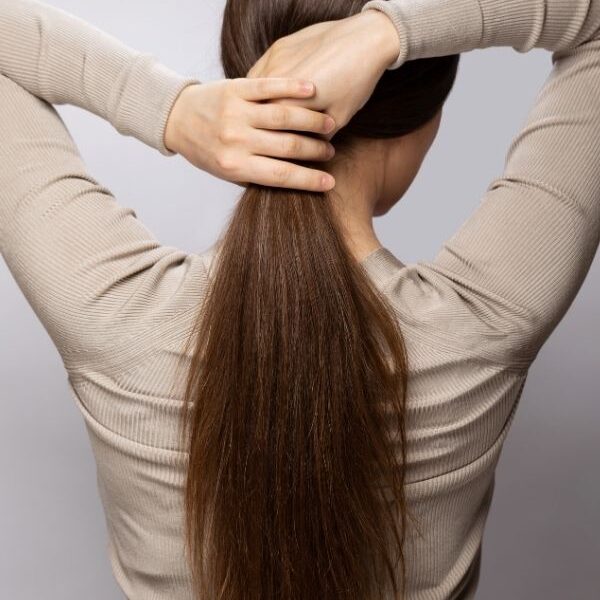
If you have noticed your edges becoming thin or breaking off, you are not alone. Learning how to grow your edges naturally can start with simple changes to your everyday hair-care routine.
Many people struggle with damaged edges because of tight hairstyles, excessive styling, harsh products, or poor hair care habits.
The good news is that healthy edges can often grow back naturally with the right care, patience, and consistency.
In this guide, I’ll share the practical steps that have worked for me as a hairstylist and for many people I’ve helped over the years.
What Causes Your Edges to Thin or Break?
Your edges are the most delicate part of your hair. Because they are finer than the rest of your hair, they can easily become damaged.
Some common causes include:
- Tight braids and tight hairstyles
- Tight wigs
- Constant brushing and pulling
- Using too much edge control
- Applying relaxers too often
- Poor moisturizing habits
- Using the wrong hair products
- Frequently touching your edges
The more stress you put on your edges, the easier they break.
Can Your Edges Grow Back Naturally?
Yes, in many cases they can.
If your hair follicles haven’t been permanently damaged, your edges can grow back with proper care.
The key is to stop whatever is causing the damage and start following a healthy hair care routine.
Growing your edges naturally doesn’t happen overnight, but with patience and consistency, you’ll begin to notice improvement.
How to Grow Your Edges Naturally
1. Stop Wearing Tight Hairstyles
This is the first step.
If your hairstyles pull on your edges, your hair never gets the chance to recover.
Tight hairstyles can put too much tension on your edges, especially when they are pulled back or braided too tightly.
Over time, this constant pulling can cause your edges to become weak and break. Choose hairstyles that feel comfortable and avoid styles that leave your scalp sore or your edges feeling tight
Want to avoid habits that can damage your hair? Read my guide on [10 Mistakes That Cause Breakage and How to Avoid Them] to learn what to avoid and how to protect your hair.
10 Mistakes That Cause Hair Breakage (And How to Avoid Them)
2. Moisturize Your Edges Regularly
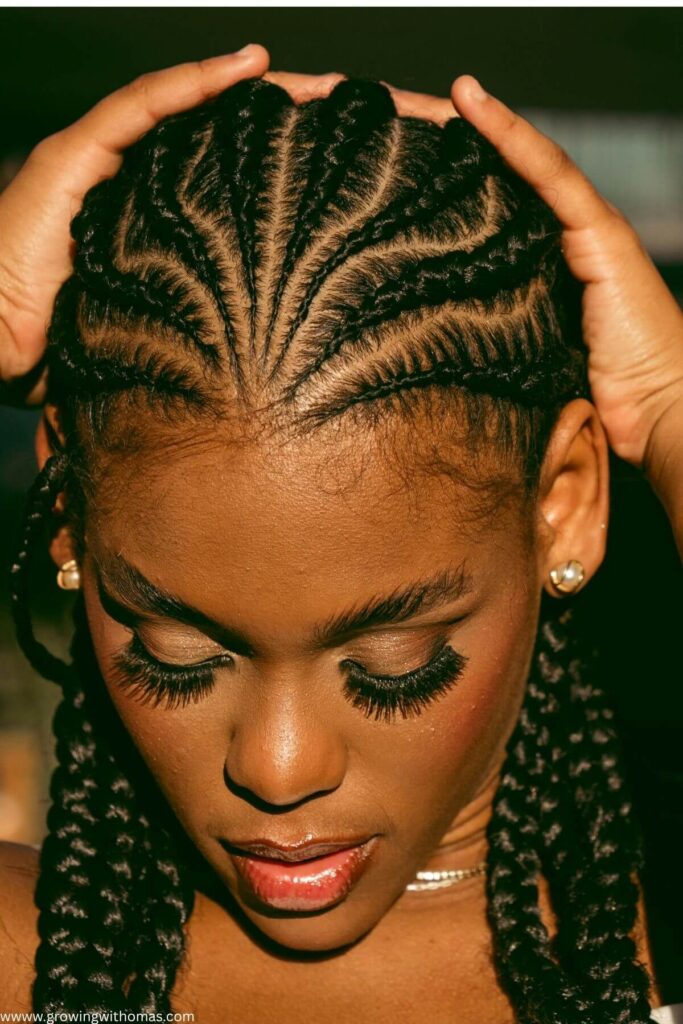
Healthy hair needs moisture.
Dry edges break easily, so make moisturizing part of your weekly routine.
A water-based moisturizer helps keep your edges soft and less prone to breakage.
3. Seal in Moisture With Oil
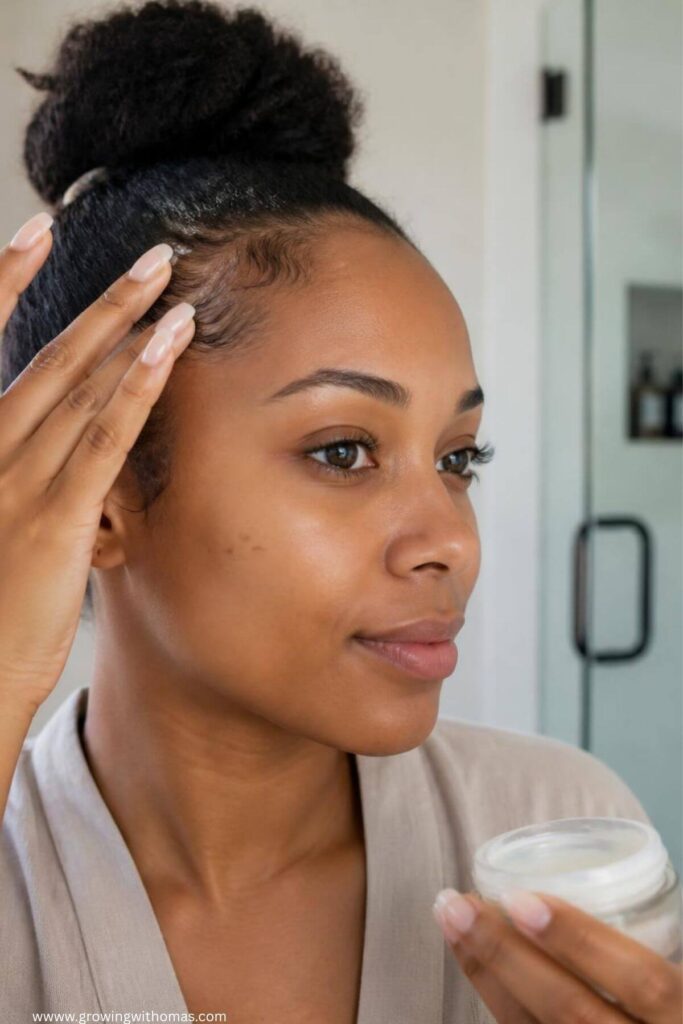
Oil is not a moisturizer. Instead, it helps lock in moisture that you have already applied to your hair. This is why it is important to moisturize your edges before applying oil.
Start with clean hair and make sure your edges are free from heavy product buildup. If your hair is very dry, you can lightly dampen it with water.
Your hair does not need to be soaking wet; it should simply have enough moisture to feel slightly damp.
Next, apply a small amount of a moisturizer or leave-in product that works well for your hair. Gently spread it over your edges without rubbing or pulling the hair.
Once you have moisturized the area, apply a few drops of oil over it to help seal in the moisture.
You don’t need to use a lot of oil. Applying too much can leave your edges greasy and may contribute to buildup, especially if you already use several hair products. A small amount is usually enough.
You can repeat this routine when your edges start to feel dry, but pay attention to how your hair and scalp respond.
The goal is to keep your edges moisturized and comfortable without constantly covering them with heavy products.

4. Massage Your Edges Gently
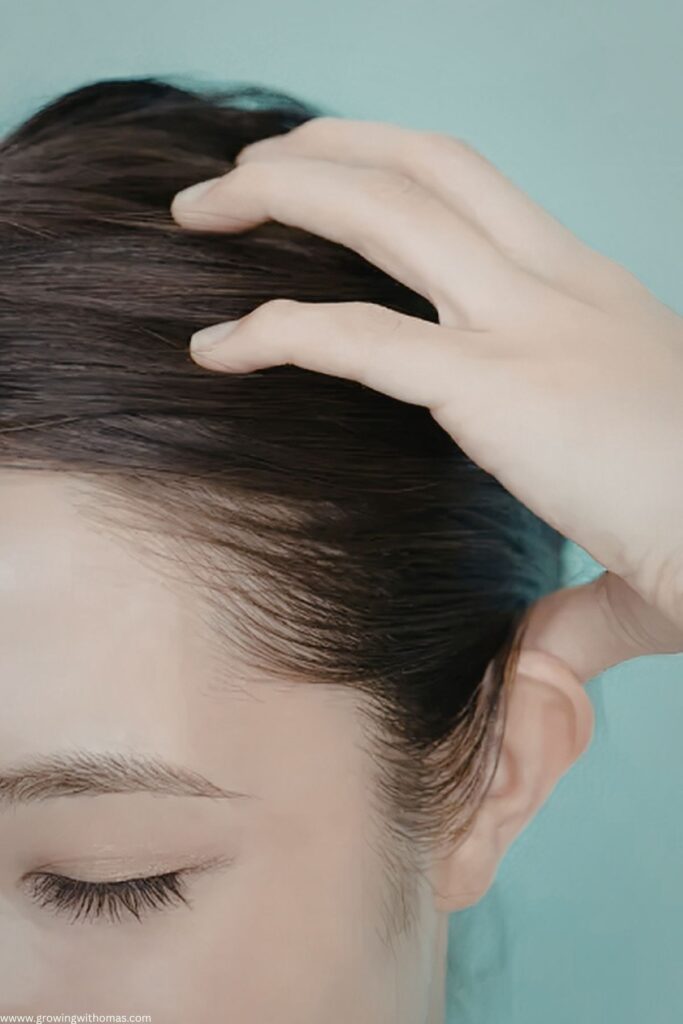
A gentle scalp massage may help improve blood circulation around your hairline and can also be a relaxing part of your hair-care routine.
However, the massage should be gentle because the hair around your edges is delicate and can break easily when it is pulled or handled roughly.
Use the pads of your fingertips rather than your fingernails. Place your fingertips gently around your hairline and massage in small, circular movements for a few minutes.
You can do this while applying a small amount of oil or moisturizer.
Avoid scratching, pressing too hard, or aggressively rubbing the area. If your edges are already thin or fragile, too much friction can cause more breakage instead of helping.
You can make gentle edge massages part of your regular routine, but don’t feel that you need to massage your hairline for a long time. Being consistent and gentle is more important than applying too much pressure.
5. Use the Right Hair-Care Products
The products you use can make a difference in how your edges look and feel, so choose products that suit your hair and scalp. You don’t need a large collection of products to care for your edges.
A simple routine with a gentle cleanser, a suitable moisturizer or leave-in product, and a lightweight oil can be enough for many people.
Try to avoid products that leave your scalp irritated, itchy, excessively dry, or uncomfortable. If you notice that a particular product causes a reaction, stop using it rather than continuing just because it is popular or recommended by someone else.
It’s also important not to overload your edges with gels, edge controls, oils, and other styling products every day.
Heavy product buildup can make your hair feel stiff or dirty and may make it harder to keep your scalp and hairline clean.
When choosing a product, consider your hair’s needs rather than simply buying something because it claims to promote hair growth.
Look for products that help you maintain moisture, reduce dryness, and make your hair easier to manage without causing irritation or excessive buildup.
Most importantly, remember that products alone cannot fix every edge problem.
If your edges are continually thinning, breaking, or becoming irritated despite gentle care, it may be worth finding out what is causing the problem instead of simply adding more products.
6. Leave Your Edges Alone
One of the biggest mistakes people make is constantly touching or brushing their edges.
The more you manipulate them, the greater the chance of breakage.
Sometimes, the best thing you can do is simply let them rest.

7. Be Patient and Stay Consistent
Hair growth takes time.
Don’t expect dramatic changes after one week.
Stick to your routine, moisturize regularly, avoid damaging habits, and give your hair time to recover.
Consistency is what produces results
Common Mistakes That Stop Your Edges from Growing
Avoid these common mistakes:
- Wearing tight braids repeatedly
- Pulling your edges too tightly
- Using edge control every day without washing it out
- Switching products too quickly
- Using too many products at once
- Expecting instant results
- Skipping your moisturizing routine
- Giving up too early
How Long Does It Take to Grow Edges Naturally?
Everyone’s hair grows differently.
Some people notice improvement within a few weeks, while others may need several months before seeing significant growth.
The most important thing is to remain patient and consistent with your routine.
Final Thoughts
Growing your edges naturally isn’t about finding one miracle product.
It’s about developing healthy habits that protect your delicate hairline every day.
Moisturize regularly, seal in the moisture with oil, avoid tight hairstyles, use products that suit your hair, and be patient.
Over time, your consistency can help your edges become healthier, fuller, and stronger.
Frequently Asked Questions
Can damaged edges grow back naturally?
Yes. If the hair follicles haven’t been permanently damaged, many people can regrow their edges with proper care and consistency.
How often should I moisturize my edges?
Generally, once or twice a week works well for many people, but the right frequency depends on your hair type and how dry your hair becomes.
Is oil enough to grow my edges?
No. Oil helps seal in moisture, but it doesn’t replace a moisturizer. Moisturize first, then apply oil.
Do tight braids damage edges?
Yes. Hairstyles that constantly pull on your hairline can lead to breakage and thinning over time.
Should I massage my edges every day?
A gentle massage can be helpful, but avoid rubbing too hard, as excessive friction may cause more breakage.
How long does it take to see results?
Hair grows at different rates. Some people notice improvement within weeks, while others may need several months of consistent care.
I hope you enjoyed reading this article. If you found it helpful, be sure to explore more practical tips and inspiration here on Growing With Omas. There’s always something new to learn and try. 🌿